
Interactive Toys For Baby Motor Skills
Watching a baby play with interactive toys isn’t just cute—it’s actually a big step for their motor development. These toys make a huge difference in how little ones grow their skills, from grabbing and shaking to crawling, stacking, and eventually walking. With so many options out there, it can be tricky to figure out which toys help babies build those early fine and gross motor skills in a way that feels fun rather than forced. My experience as a parent and child care provider has taught me that the right toys can really give babies a boost, so I’m here to break down what to look for and how these toys actually work.
Why Motor Skills Matter During Baby’s First Years
Motor skills are the building blocks for almost every movement. Babies start with random flailing and eventually gain control over their hands, fingers, legs, and core. This process is split into two main types: gross motor skills (big movements, like crawling or standing) and fine motor skills (small, precise actions like grasping a toy or poking at buttons).
Building these skills early supports a baby’s ability to explore, learn, and play independently. It also lays the groundwork for things like feeding themselves and later, writing or drawing. According to the American Academy of Pediatrics, active play with age-appropriate toys can help speed up these milestones (HealthyChildren.org).
Types of Interactive Toys That Build Motor Skills
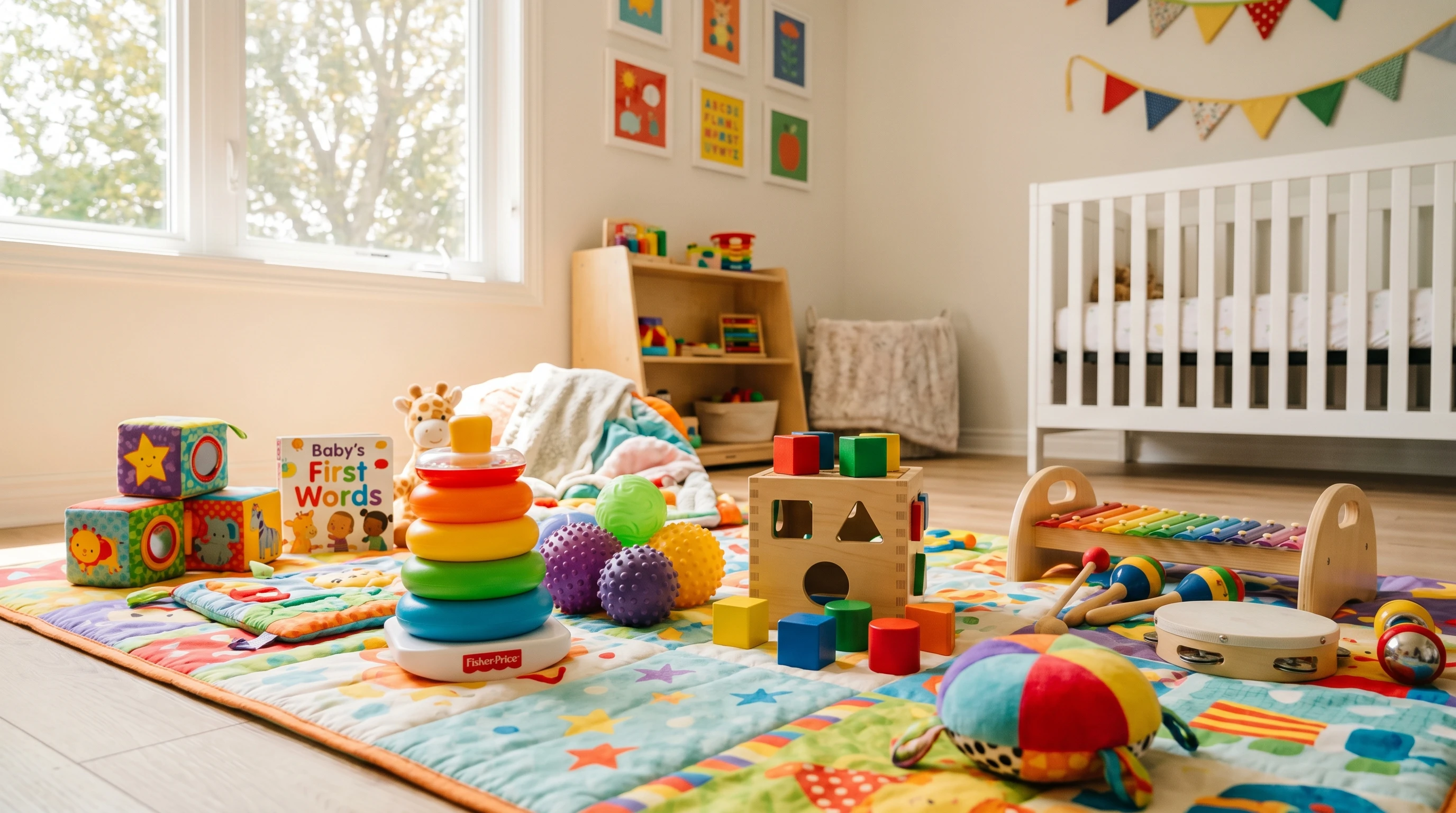
Interactive toys come in all sorts of shapes and sizes, but the best ones for motor skills give babies chances to manipulate, push, stack, sort, or squeeze. Here are a few classic examples you might stumble upon:
- Activity Gyms & Play Mats: Great for tummy time, reaching, and grabbing overhead objects. Many include rattles, mirrors, and crinkle materials that encourage babies to bat, kick, and turn their heads.
- Nesting Cups & Stacking Rings: Babies love pulling things apart and putting them back together. These toys strengthen grip and help develop the muscles needed for coordinated hand movement.
- Push & Pull Toys: When babies are learning to crawl or walk, rolling or pushing toys encourage them to move and balance. Pull toys with strings are handy for toddlers just finding their striding feet.
- Shape Sorters: These simple puzzles challenge babies to match shapes with holes. They help fine tune the ability to pick up, rotate, and place objects with precision.
- Musical Instruments: Maracas, drums, and xylophones let babies bang, shake, and tap, which works on coordinated hand and arm movements as well as rhythm and cause-and-effect learning.
- Soft Balls & Sensory Toys: Balls that are easy to squish, grab, or roll encourage two handed play and crawling. Texture-rich sensory toys bring different grips and hand movements into play.
Picking the Right Interactive Toy for Motor Skills
Finding toys that support development is easier when you know what to look for. Here’s how I narrow down the options:
- Check for Age Appropriateness: Most toy packaging lists recommended ages; stick with these to make sure toys are safe and developmentally suitable.
- Choose Multisensory Toys: Toys that light up, rattle, or feature different textures get babies curious and involved, which means more movement and practice.
- Go for Open Ended Play: Open ended toys (like stacking cups or blocks) give babies more control over how they use them, leading to more creative movement and exploration.
- Focus on Safety: Make sure toys are free from small parts, toxic materials, and sharp edges. Babies put everything in their mouths, so this one’s super important for peace of mind.
- Look at Portability and Cleanup: Easy to clean and portable toys mean you can use them at home, in the car, or during travels.
Common Playtime Challenges and How to Tackle Them
Babies develop at their own pace, but there are a few common things parents and caregivers run into when using interactive toys for motor skill building:
- Boredom Kicking In: Babies can quickly lose interest if a toy only does one thing. Rotating toys in and out every week or two keeps things fresh and interesting.
- Frustration With New Skills: Sometimes a toy is a little tricky, and babies might get upset. I always stay close to offer a bit of help or swap the toy out if they seem stuck.
- Overstimulation: Bright lights or noisy toys can overwhelm some babies. I stick with simple, calm toys if I notice signs of stress or fussiness.
- Hesitant Crawlers or Walkers: Some babies are cautious about new movements. Interactive toys that move or play music encourage pursuit and help them take those early leaps.
Tummy Time Boredom Busters
Tummy time can be a challenge for some babies, but interactive toys like light up mats or water play pads help keep them interested. Even a simple rattle just out of reach can make a baby work those core muscles while stretching and reaching. These are really important stepping stones for later crawling.
Fine vs. Gross Motor: Finding the Right Mix
A balanced play area should offer options for both fine and gross motor development. A mix of soft stacking blocks, a babysafe mirror, balls, and a rolling toy gives a baby lots of motivation to use both big and small muscles.
Encouraging Independent Play
I’ve noticed that babies as young as six months can play solo for a few minutes when there are interactive toys around. Placing a basket of safe, grab friendly toys nearby lets them explore at their own pace. This builds confidence and a sense of discovery in addition to stronger motor skills.
Real World Examples: How Interactive Toys Helped
Here are a couple of experiences that show how interactive toys can really support motor development:
- One baby in my care struggled with tummy time until a soft, crinkly fabric book was placed just out of reach. In a week, she’d figured out how to push herself up and grab it, working those upper body muscles and gaining confidence.
- Another toddler learned to walk after becoming obsessed with a push wagon. He followed it everywhere, and the sturdy handle helped him stay steady until he was ready to let go.
- Shape sorters turned out to be a favorite for practicing the pincer grasp—tiny pieces with big holes made it doable, even when coordination was still developing.
Extra Tips for Getting the Most Out of Interactive Toys
I always suggest trying a few of these ideas to bring more value out of interactive toys:
Get Down on the Floor: Babies love it when you join in. Showing them how to drop a ball into a ramp or clap cymbals not only encourages copying but also sparks lots of giggles. It’s a great way to bond while building skills.
Mix New and Familiar Toys: Too many new things at once can be overwhelming. Mixing a couple of brand new toys with old favorites makes playtime feel safe but still fresh.
Look for Toys That Grow With Your Baby: Toys that offer multiple ways to play or can be used as babies get older (like blocks and nesting cups) get much more use for the money and keep challenging developing skills.
Frequently Asked Questions
Here are some common questions I hear from parents about interactive toys for motor skills:
Question: What age should I start using interactive toys with my baby?
Answer: From birth, babies benefit from simple toys like soft rattles or high contrast cards. More complex toys, like shape sorters or activity tables, are usually good from around six months and up.
Question: Are electronic interactive toys better for motor skills than classic wooden ones?
Answer: Both kinds help in their own way. Wooden toys encourage imagination and problem solving, while light up or musical toys can offer extra sensory feedback. A balance of both keeps play interesting and development on track.
Question: How many interactive toys does my baby really need?
Answer: Babies don’t need a mountain of toys. A handful of well chosen interactive options covering different skills (grab, push, stack, roll) is enough. Swapping toys in and out every so often keeps things fun and engaging.
Wrapping Up
Choosing interactive toys for baby motor skills is less about chasing trends and more about offering playful, hands on ways for babies to move and stumble upon new things. A few thoughtfully selected toys, plenty of time on the floor, and lots of encouragement go a long way in helping babies reach their next milestones. Playing together with these toys turns skill building into sweet memories, too. And the best part is watching your little one grow, discover new abilities, and feel more confident every day.