
How To Organize A Small Nursery
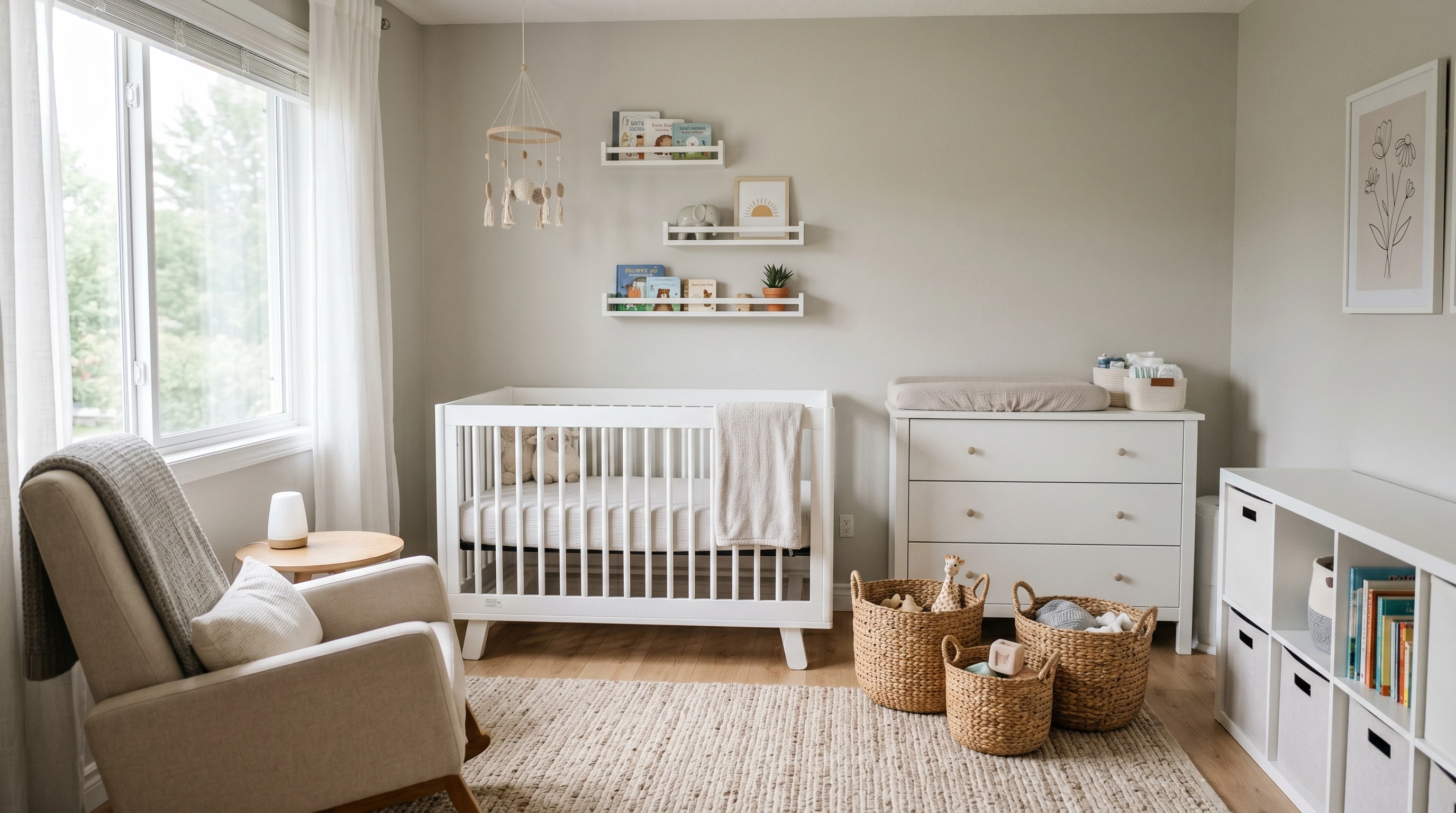
A small nursery can feel cramped fast, especially when every piece of baby gear seems to take up more space than you expect. I remember staring at the tiny room that would become my baby’s nursery, wondering how on earth I’d fit everything I needed. But having the right plan means even the smallest nursery can feel cozy and functional, not cluttered and chaotic.
Whether you’re prepping for a new arrival or just looking to tidy up your baby’s space, keeping things organized is key. From storage tricks to layout ideas, I’ve rounded up my favorite tips for making a small nursery work well. It’s totally possible to create a calming, beautiful spot that fits all the essentials (and maybe a few cute extras) without feeling like you’re out of room. With some thoughtful changes and a bit of creativity, you can make the space work for you and your little one.
Step 1: Figure Out What Matters Most in Your Nursery
Before you start buying baskets and bins, it helps to know what you really need in your nursery. Prioritizing is a huge space saver, and it keeps the little room from getting out of hand fast.
Ask Yourself:
- What nursery items are totally needed (crib, diaper changing area, storage for clothes and essentials)?
- What can I skip or store elsewhere (extra toys, rarely used gear)?
- How do I want the space to feel? Calm, cheerful, practical?
Common Small Nursery Priorities:
- A safe spot for baby to sleep (crib or bassinet).
- Easy-access diaper and clothes storage.
- Comfortable chair for feeding and cuddles.
Once you know your main goals, organizing the rest of the space gets way easier. This approach helps you stay focused and avoid clutter before it starts building up.
Step 2: Make Smart Choices About Furniture
Every piece of furniture matters in a small nursery. Choosing the right ones can save you loads of space and stress. It’s better to have a few well-chosen pieces than cramming too much into a compact room.
Space Saving Furniture Ideas:
- Convertible cribs: These cribs can turn into toddler beds or daybeds, which makes them pretty handy as your baby grows.
- Changing tables with storage: Go for a dresser or changing table that has built-in drawers or shelves underneath. Bonus points if you can use the dresser as a changing table by adding a pad on top.
- Compact rocking chairs or gliders: Look for chairs with a smaller footprint. Some even have storage pockets for wipes or burp cloths!
Tip:
Try to keep furniture off the floor when you can. Wall mounted shelves or changing stations open up extra space down low for baskets or bins. This makes it easier to clean and also visually lightens up the space, making everything feel more open.
Step 3: Master the Art of Storage in a Small Nursery
I’m a big fan of smart storage tricks, especially for small spaces. When you don’t have a lot of room, vertical storage and multiuse pieces are your best friends. Every small space benefits from a few clever ideas.
Nursery Storage Ideas That Really Work:
- Over the door organizers: These are awesome for diapers, lotions, blankets, and even toys.
- Undercrib storage: Pop some low profile bins or baskets under the crib for out-of-season clothes, extra sheets, or those boxes of wipes you always seem to be buying.
- Floating shelves: Wall shelves keep books, stuffed animals, and décor items easy to grab without taking up floor space.
- Label everything: Bins, baskets, and drawers are way easier to keep neat if you add labels, especially for sleep deprived nights.
Hidden Storage Gems:
- Ottomans with inside storage work as both a footrest and a spot for blankets or extra toys.
- Hanging closet organizers (the kind with cubbies) multiply shelf space for tiny baby clothes.
Every inch counts; use corners for corner shelves, the back of the door, and even the sides of furniture for hooks or hanging baskets. Thinking vertically and using all available surfaces can really free up space. Try mixing in baskets or rolling carts for flexible storage you can move as needed.
Step 4: Keep Things Calm With Color and Décor Choices
It’s easy for a small nursery to look extra busy (and even smaller) if there’s too much going on. Keeping colors light and décor simple makes the room feel much bigger than it is. The right color palette and a few strategic choices can really open up the space.
Room Brightening Tips:
- Stick with lighter wall colors; whites, soft grays, light greens, or blues bounce light and create an airy feeling.
- Go simple on patterns. If you want some fun prints, use them on smaller things like pillows, blankets, or artwork.
- Use mirrors; one mirror on the wall helps reflect light and gives the illusion of more space.
Personal Touches (Without the Clutter):
- Hang a few framed prints or a sweet name sign, but don’t overdo wall art.
- Pick just one or two plush toys or special items to keep out, and rotate if you want to mix it up over time.
Choosing meaningful items over quantity keeps the room personal without making it feel crowded or overwhelming.
Step 5: Make Diaper Changes Quick and Painless
In a small nursery, keeping diaper changes fast and mess free can save you tons of frustration. Organize diaper supplies so you never have to hunt around (especially at 3 AM). Being prepared helps keep your routine calm at all hours.
My Go To Diaper Station Setup:
- Keep diapers, wipes, creams, and changing pads within arm’s reach of the changing station.
- Use baskets or caddies for grouping supplies; one for diapers, one for creams, one for extra changing pads.
- If your changing pad is on top of a dresser, use the top drawers for quick grab-and-go supplies.
Having a diaper pail close by is super useful, but opt for a compact one and empty it often to avoid odors taking over your tiny space. Consider adding a small nightlight near the changing station for those middle-of-the-night changes—your tired eyes will thank you!
Step 6: Rotate Baby Clothes and Gear Regularly
Babies outgrow stuff at lightning speed, and if you don’t keep extra clothes and gear in check, closets and drawers get full fast. Staying ahead keeps the nursery organized and more enjoyable to use.
Tips for Staying on Top of Baby Stuff:
- Every month or so, pull out clothes your baby’s grown out of and store them elsewhere (or pass them along to someone who needs them).
- Keep only what fits and what you use all the time in the nursery; store or donate things you don’t touch every week.
- Seasonal gear (like thick blankets or sun hats) can live in undercrib bins until you need them.
Regularly clearing out unused stuff makes the nursery feel bigger and more functional, which feels so much better day to day. This simple habit can prevent clutter from getting out of control.
Step 7: Ask for Help; You Don’t Have to Do It Alone!
Family and friends are usually eager to help when a new baby’s on the way. If you’re feeling overwhelmed by organizing, don’t be shy about asking for advice or a little sweat equity. Even just talking out your plan with someone else can spark good ideas about where to put things or what not to buy. Sometimes an outside perspective can make things clearer and the job feels less overwhelming with a helper by your side.
Helpful Resources:
- Look up nursery organization inspiration on Pinterest for clever hacks.
- Join a local parenting group; sometimes just seeing how other people solve storage and space problems is all the help you need.
Common Questions About Organizing Small Nurseries
What if I have no closet?
- Use an open garment rack (cute and super practical for tiny clothes).
- Install wall hooks for hanging essentials, like blankets or sleep sacks.
How do I fit a rocking chair into a tiny room?
- Choose a compact glider or cushioned chair that fits the scale of the nursery.
- If you don’t use it daily, try a portable folding chair you can stash away.
What about toy storage?
- Start small. Babies don’t need tons of toys at first, so only keep a few out.
- Use wall pockets, bins on shelves, or storage ottomans to keep toys tidy and out of the way.
Quick Recap & Your Action Steps
A small nursery doesn’t have to feel crowded. Start by focusing on your essentials, use clever furniture and storage, and keep the room simple and calm. Declutter often, make supplies easy to reach, and don’t stress about getting everything perfect right away. Babies grow fast, and your nursery can grow and change too. Being flexible as your baby grows ensures your space always works for you both.
Your Small Nursery Plan:
- Pick one storage idea to add this week (like floating shelves or undercrib bins).
- Tidy up and only keep the essentials at arm’s reach.
- Try a calm color or décor update to open up your space.
Have any genius small nursery ideas? I’d love to hear what works for you, so feel free to share your tips and help other parents make the most of their nurseries too!