Musical Toys For Baby Learning
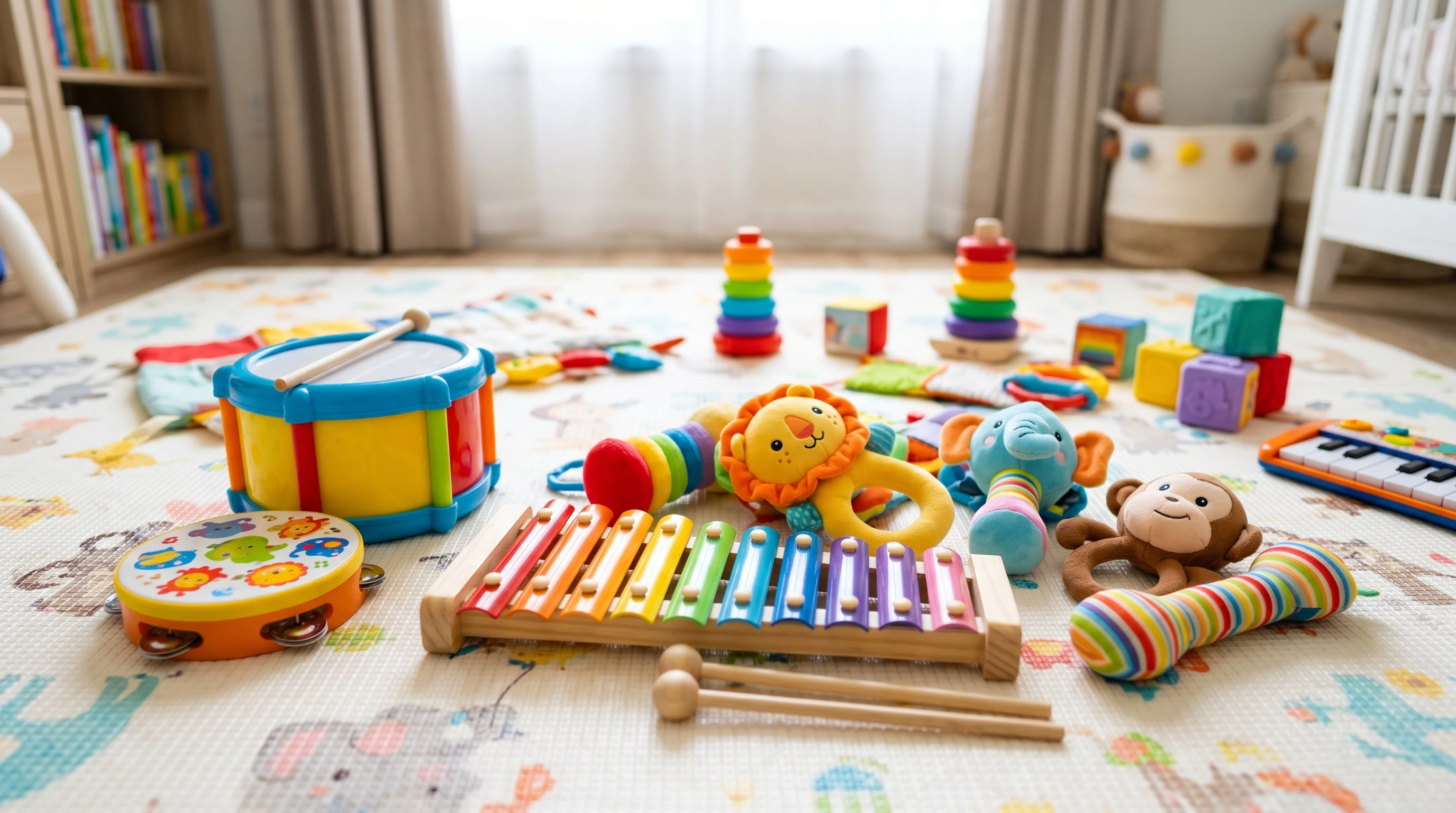 Musical toys aren’t just a fun distraction for babies; they offer real benefits for learning and early development. Tapping on a colorful xylophone, shaking a rattle, or pressing keys on a baby piano helps tiny hands build strength, supports sensory growth, and even lays the foundation for language skills. I’m always impressed by how something simple, like a drum or maraca, can light up a room and spark a baby’s curiosity.
There’s a lot of choice out there, so picking the right musical toy can feel a little overwhelming. Some toys focus on melody, others introduce rhythm or encourage motor skills. I’ll walk through how these toys support learning and share some super useful tips, along with a few of my favorite products, so you can feel confident about your picks. Ready to get into the details?
Benefits of Musical Toys for Babies
When babies connect with sounds and rhythm, they’re doing much more than making noise. Musical toys like pianos, xylophones, and shakers help with:
- Motor Skill Development: Grabbing and shaking toys strengthens hands and arms.
- Listening Skills: Babies tune into sounds, pitch, and rhythm, building a foundation for language.
- Sensory Exploration: Lights, textures, and tones keep senses engaged.
- Creativity and Cause/Effect: Pressing a button to make music teaches kids they can make things happen.
I’ve noticed some babies are mesmerized by gentle tunes, while others love making big energetic sounds. There’s a toy for every mood and skill level. Plus, music can even help babies regulate their emotions—soothing a fussy little one or encouraging giggles and movement. Playing with musical toys fosters a love for sounds and rhythms early on, which can last a lifetime.
How to Choose the Best Musical Toys for Baby Learning
Focus on Age Appropriateness
It’s super important to pick toys that match your baby’s stage. Newborns and young infants need things with soft sounds and easy-to-hold shapes. As babies get older and their coordination grows, they can handle more interactive toys, like mini keyboards or drum sets. Always pay attention to manufacturer age guidelines for a safe and comfortable experience.
Check Materials and Safety
- Look for toys made from nontoxic plastic or wood.
- Make sure there are no sharp edges or small parts that could be a choking hazard.
- Toys should be easy to wipe clean, since babies drool on everything!
Consider Battery-Free and Electronic Options
Some parents swear by classic, no-battery toys for openended play. Others like musical toys that light up and talk back. Both types can be great, depending on what you prefer at home. Combining a few different styles gives babies a good balance of stimulation and fun.
Look for Varied Sounds and Features
The best musical toys offer a range of tones, rhythms, and textures. This variety helps develop listening skills and keeps your baby interested over time. Toys that feature animal sounds, different songs, or lights can make playtime extra exciting, too.
Top Musical Toys for Baby Learning
I’ve tested and seen quite a few musical toys in action—here are some standouts worth checking out. All of these make learning fun and engaging:
1. Baby Einstein Take Along Tunes Musical Toy
This handheld toy introduces little ones to classic melodies with big, easy-to-press buttons. The colorful lights grab babies’ attention, and the tunes are short enough to not overwhelm. It’s light, so babies can carry it or shake it around. Find it here: Baby Einstein Take Along Tunes.
2. Fisher-Price Laugh & Learn Silly Sounds Light Up Piano
This play piano has chunky keys and flashes along with every note. Babies are rewarded with lights, songs, and animal sounds, making it a hit for sitting or tummy time. Its sturdy base means it holds up to busy, curious hands. Check it out at Fisher-Price Musical Piano.
3. VTech Zoo Jamz Xylophone
I like how this xylophone offers both free play and built-in tunes. The mallet is attached, so you won’t lose it, and babies can follow along with flashing lights or just improvise their own songs. This toy gets even toddlers involved. More details on VTech Zoo Jamz Xylophone.
4. Hape Pound & Tap Bench with Slide Out Xylophone
This sturdy wooden set gives babies two ways to play: pound balls through holes, which roll onto the xylophone bars for a surprise sound, or just slide out the xylophone and use it solo. The wooden mallet and balls help develop grip, and the bright colors are super inviting. Explore it at Hape Pound & Tap Bench.
Easy Musical Play Ideas for Babies
You don’t need special skills to get musical toys working for learning at home. I’ve found these simple ideas help babies get the most out of their toys:
- Put a selection of toys where babies can easily reach them, so they decide what to explore.
- Demonstrate: Show your baby how to tap, press, or shake; sometimes just copying you gets them interested.
- Sing or clap along with the toy’s music. It encourages rhythm and keeps playtime interactive.
- Switch toys every few days to keep things fresh. This keeps a baby’s interest high and lets you see which ones grab their attention most.
Another fun idea is to play along with familiar songs by creating rhythms together. Use safe household items, like a wooden spoon or plastic bowl, to add variety to musical play. Take time to listen and watch how your baby reacts to different sounds. Did they smile at soft chimes or giggle at a silly drumbeat? These moments help you figure out your baby’s unique preferences.
Tips for Engaging Play and Learning
Even simple toys can create meaningful learning moments. Here’s what works best for me and the families I talk to:
- Get down on the floor with your baby and play together.
- Say things like, “Listen to that bell!” or “Can you press the red key?” Using language helps babies connect sounds with words.
- Move with the music! Bounce, sway, or dance around the room. Babies thrive when play involves movement.
- Limit screenbased toys until after age 2 whenever possible. Physical toys build real world skills and help kids make important connections by hands-on play.
Try mixing musical play with other activities, like story time or tummy time, to switch things up and keep your baby engaged. Sharing music with siblings or friends can also add social skills and more laughter to playtime.
What to Avoid with Musical Toys
- Toys with super loud noises. Protect little ears by checking volume settings or choosing toys with gentle sounds.
- Toys with lots of tiny parts or pieces that come loose easily.
- Repeating the same song endlessly; babies love variety, and you probably do too!
If a toy seems overstimulating—bright flashing lights, too many buttons, or blaring sounds—it’s okay to put it away and try again another day. Always clean toys regularly to keep them safe for mouthing or chewing. Remember, simple instruments often bring the biggest smiles!
Frequently Asked Questions About Musical Toys for Baby Learning
Are musical toys safe for newborns?
Yes, as long as you pick toys marked safe for newborns and made of soft, babyfriendly materials. Rattles, soft plush music boxes, and gentle sound makers work best at this stage.
When do babies start enjoying musical toys?
Some babies start responding to music right after birth, calming down to lullabies or gentle chimes. As babies reach 3-6 months, you’ll notice them gripping and banging toys on their own. Over time, your baby will pick up new ways to interact with their toys, showing excitement as they figure out cause and effect and even moving along with familiar tunes.
Can musical toys help my baby talk earlier?
Music supports early language skills by helping babies recognize patterns, rhythm, and new sounds. Singing along or talking while your baby plays gives a boost to these benefits and helps lay the groundwork for early speech.
How many musical toys does my baby need?
A small rotation—maybe 3 to 5 different toys—works well. Quality matters more than quantity, and switching them out keeps things exciting. Look for toys that grow with your baby, offering new challenges as they get older.
Bringing Music into Your Baby’s Day
Musical toys are an all-in-one tool for growing curious, playful, and confident kids. Whether you choose a classic wooden xylophone, a light up piano, or a simple shaker, babies love exploring new sounds and tracking down how to make music themselves. Giving your little one a chance to bang, tap, and play supports learning in a really fun way. Plus, it’s a great way to bond together and build positive memories for your family.
- Pick a musical toy that matches your baby’s current age and interests.
- Get down and play together—your involvement helps spark creativity!
- Rotate toys regularly so each playtime feels fresh and exciting.
If you have a favorite baby musical toy or an easy musical play idea, I’d love to hear about it in the comments below! Every family’s experience can inspire others, so don’t hesitate to share what’s worked best in your home.