
Crib Buying Guide For New Parents
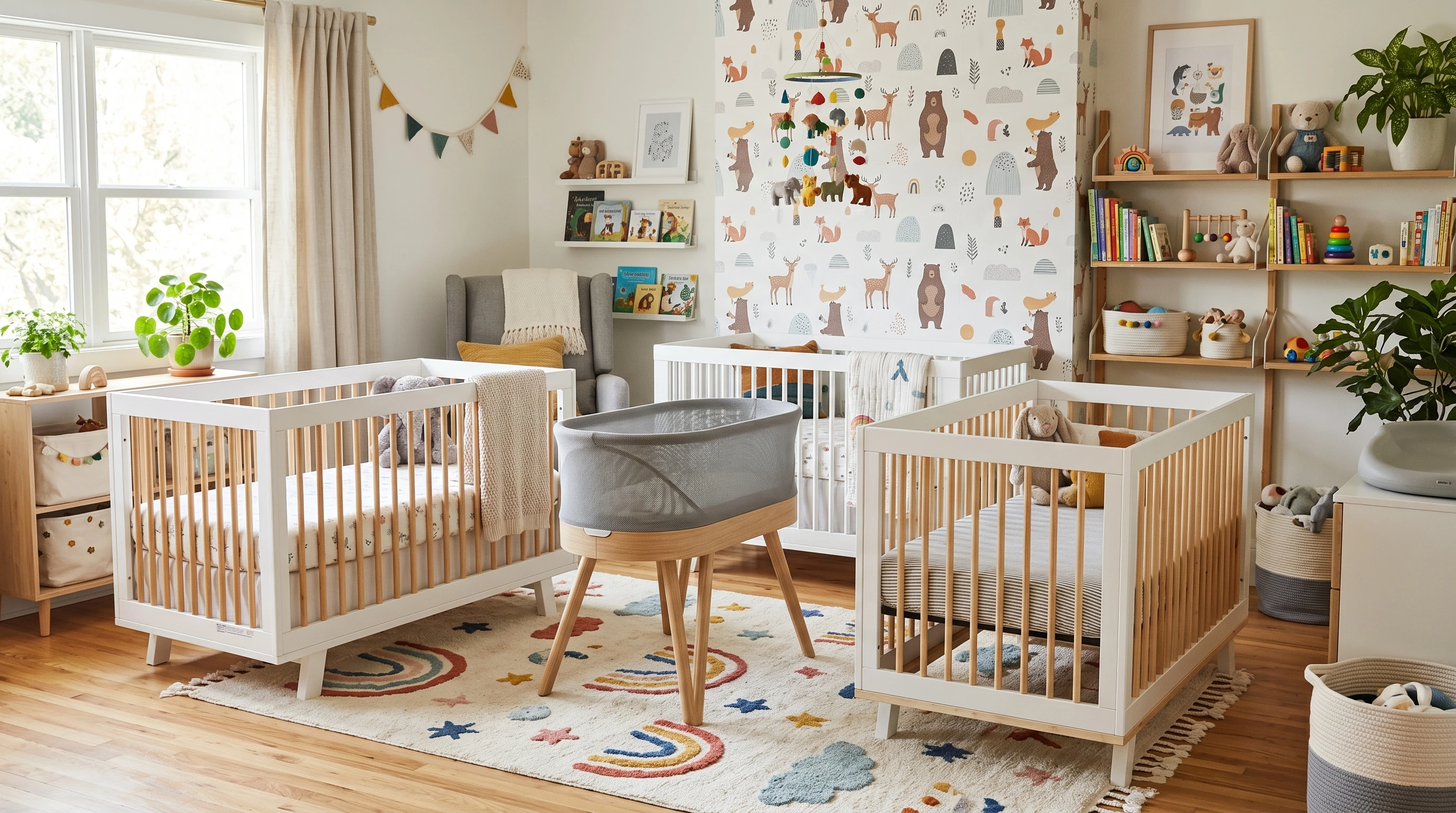 Getting ready for a new baby is honestly both exciting and a little overwhelming. Picking a crib can feel like a really big decision since this is where your baby will spend a lot of time sleeping and resting. I know how many options are out there, and it’s easy to get lost in the details, especially when you keep running into words like “convertible,” “drop-side,” or “Greenguard Gold certified.” This guide is here to walk you through every step so you’ll end up with a crib that feels safe, fits your space, and fits your budget, all without the stress.
A crib isn’t just a piece of furniture; it’s the safe spot where your baby should rest easy and you should feel confident putting them down even if you’re half-awake at 3 a.m. After checking out all the options, safety tips, and shopping advice, you’ll have everything you need to make a choice that’ll work for your home and your new routine as a parent.
Get Clear on What You Need in a Crib
Every family’s space and routine is different. Before scrolling through endless crib styles online, check off a few basics that will help you narrow down your options quickly.
Think About Your Nursery Size and Layout
- How big is your nursery? Measure your space, and notice where doors and windows are.
- Will the crib need to share space with other siblings, or double as a guest room?
- Do you want something lightweight you can move?
Make a Rough Budget
- How much do you want to spend on the crib and mattress?
- Are you open to gently used options?
Decide Which Features Matter Most
- Do you want a crib that converts into a toddler bed or changes size?
- How important is it for you to have a certain style, finish, or color?
- Is ecofriendly design or “no VOC” wood important to you?
Once you have answers to these questions, you’ll be able to scroll past a lot of cribs that just aren’t the right fit for your life or your wallet. It helps if you jot down your non-negotiables as you go. That way, as you start checking out different options, you won’t get distracted by “extra” features that aren’t necessary for your space or routine.
Safety Features to Look For
When it comes to baby gear, safety always comes first in my book. Crib regulations have changed a lot over the years, so what felt “normal” to older generations might not be approved anymore. Here are the important things to keep an eye on when crib shopping.
Current Safety Standards
- Pick a crib that meets or exceeds JPMA (Juvenile Products Manufacturers Association) and CPSC (Consumer Product Safety Commission) standards.
- If you’re buying secondhand, double-check that the model hasn’t been recalled and meets today’s safety guidelines.
Slat Spacing and Design Details
- Slats should be no more than 2 3/8 inches apart, about the width of a soda can.
- Stay away from decorative cutouts and corner posts higher than 1/16 inch.
- Drop-side cribs aren’t legal anymore in the U.S. Avoid them even if the price is tempting.
Stable Build and Non-Toxic Materials
- Look for a crib that feels heavy and doesn’t wobble when you give it a shake.
- Non-toxic finishes are best, especially since teething babies will chew on crib rails.
- Ecofriendly or Greenguard Gold certification can be a nice bonus if air quality is a concern.
Safety labeling and certification should be easy to find and clearly marked on reputable cribs. If it’s not, I’d skip it. Even if you stumble upon a beautiful vintage crib, make sure it meets all the current safety rules—you don’t want to risk your baby’s well-being just for a cute look.
Types of Cribs: What Are Your Options?
Cribs come in more shapes, sizes, and price ranges than ever before. Here’s a breakdown of the different styles so you can find what fits you best, not just what looks good in a catalog. Think about not only the look but also how practical and long-lasting each type will be for your home.
- Standard Cribs: Classic size and shape, usually with adjustable mattress heights. Fits most nurseries and is widely available.
- Convertible Cribs: Converts from a crib to a toddler bed and sometimes even a fullsize bed. Costs more upfront but grows with your child, saving money in the long run.
- Mini Cribs: Smaller footprint than standard cribs, great for apartments or temporary setups. Make sure to check mattress size compatibility when you buy.
- Portable or Travel Cribs: Lightweight and foldable. Handy for travel or visiting grandparents but not a substitute for a fulltime sleeping space for infants.
I personally found a convertible crib with a clean design really practical. It worked as a crib, then later as a toddler bed, saving extra shopping down the road. Many parents like this option because you get more mileage and it often matches with other furniture pieces in your nursery as your child grows.
Mattress Matters: Sizing, Firmness, and Fit
The right crib mattress is just as important as the crib itself. A mattress that’s too small can leave dangerous gaps, while an extra soft one isn’t safe for babies under 12 months.
- Pick a firm crib mattress. Your hand shouldn’t sink in when you press down.
- Mattresses should fit snugly inside the crib; you shouldn’t be able to fit more than two fingers between the mattress and the sides.
- Look for waterproof covers or mattress protectors for easy cleanups.
- Be aware of standard size versus mini crib mattress differences before you buy.
Mattress shopping can be overwhelming, but if you stick to firmness and a snug fit, you’re on the right path. If you want to use organic or chemicalfree materials, there are options for that too, but those are personal choices rather than medical requirements. Some parents also ask about breathable mattresses—these can give you peace of mind but aren’t strictly needed as long as you’re following safe sleep guidelines.
Also consider buying mattress sheets specifically labeled for cribs. These fit snug over the mattress and help keep everything tidy even when messes happen in the middle of the night. If you plan to wash sheets often, picking up two or three can make life easier.
Assembly and Maintenance Tips
Most cribs come flatpacked and require some home assembly. I’ve put together a few and, trust me, slow and steady wins the race.
What to Expect During Assembly
- Have a second person handy if you can. The process is simpler with two sets of hands.
- Follow the instructions step by step, and double check each bolt.
- Hang onto the assembly tool and any extra screws just in case you need to take the crib down for a move or storage.
Ongoing Care and Hardware Checks
- Check the tightness of all hardware every few months. Loose screws can be a safety hazard, especially if you move the crib to a new room.
- Clean surfaces with mild soap and water, avoiding strong chemicals that could damage the finish or pose a risk to your baby.
Taking photos during assembly can help if you ever need to disassemble it. Keeping all the paperwork in one place helps too, so you don’t have to search if you decide to resell it later.
Common Questions and Quick Solutions
Can I use a secondhand crib?
Sure, but always check for recalls, missing parts, older designs like drop sides, and wornout wood or finishes. You’ll need a brand new mattress for safety and hygiene. Don’t forget to check for peeling paint or old hardware.
Do I need extra features like a changing table or storage drawer?
It can be super handy! Some cribs come with builtin drawers or attached changers but make sure they don’t get in the way of safe sleep space. Sometimes, extra features might affect the size—always double check your nursery measurements if you pick a model with add-ons.
How long can my baby use a crib?
Most kids use a crib until around 2 to 3 years or until they can climb out. If your crib converts to a toddler bed, you get a little more time from your investment. Once a child starts showing signs of climbing out, it’s time to transition for safety reasons.
What about ecofriendly or sustainable cribs?
Ecofriendly cribs have become more popular recently. Look for brands that use sustainably sourced wood and lowVOC finishes. Certifications like Greenguard Gold are helpful if air quality is important to you. Keep in mind these cribs may cost a bit more, but you might feel better knowing you made a conscious choice for your nursery.
Next Steps for New Parents
Picking out a crib might be one of the first real “parenting” choices you make. The trick is to trust your gut, focus on safety, and look for features that fit your family, not what everyone else is doing. Measure your space, make a short list, and check reviews or even go see a few in person if you can. You’ll feel a lot more confident when you choose a crib that checks your boxes and fits your style.
Quick Action Plan:
- Jot down your priorities: size, features, style, and budget. Bring your notes while you shop.
- Look for safety certifications and check recall lists before you buy any crib, especially if it’s secondhand.
- Buy your mattress at the same time to make sure it fits your crib.
- Don’t wait until the last minute—a comfy, safe crib setup helps you feel ready for baby’s homecoming.
Ready to set up your nursery? Share what kind of crib you’re looking at, or any tips you’ve picked up along the way! If you stumble upon any great finds or come up with handy tricks for making the nursery feel cozier, get the word out. Happy shopping, and remember that a safe, cozy crib makes those first nights at home a lot smoother for both you and your baby.