
How To Choose Teething Toys
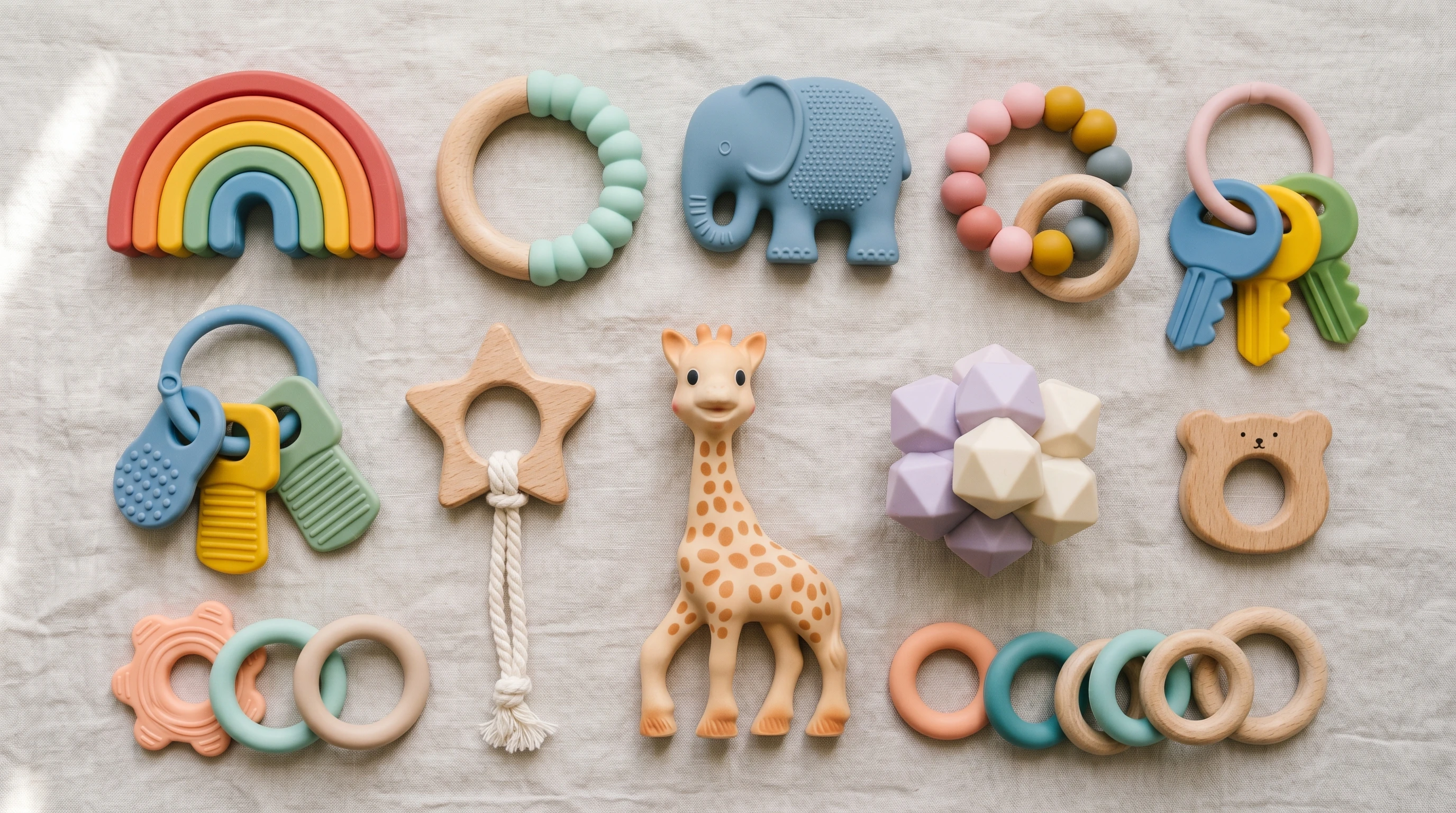 When babies start teething, it can be a tough time for everyone. I’ve seen plenty of drooly chins, cranky moods, and gnawed-on fingers during this stage. The right teething toy can offer relief, provide a safe outlet for sore gums, and even help with sensory development. There are plenty of options out there, so choosing the best teething toy takes a little bit of research and some trial and error.
Some toys are cute but not safe, while others promise miracles yet end up collecting dust because babies just aren’t interested. I’m going to break down what really matters when picking out teething toys: safety, ease of cleaning, age fit, and more, so you can feel confident about your choice.
This guide covers everything you need to know to choose the right teething toy for your baby, with plenty of practical tips you can use right away and some extra suggestions for keeping fussiness at bay.
Figure Out What Your Baby Needs
Every baby experiences teething differently. Some chew on everything they can grab, while others only like certain shapes or textures. Before shopping, I try to pay attention to what seems to soothe my own baby’s gums. Familiar clues are constant gnawing, fussiness, rubbing their cheeks, and sometimes even refusing to eat. Babies can also drool more during this time, which means you might notice small irritations on their chin or mouth.
Questions to Consider:
- Is my baby showing interest in soft or firmer materials?
- Do they seem to like textured items?
- Are they coordinated enough to hold a toy?
- Are we dealing with front teeth, or are molars coming in?
- Does my baby show more comfort with cool objects or room temperature ones?
Knowing your baby’s preferences makes it easier to match them with the right style of teething toy, especially since teething isn’t always a “one size fits all” situation. Sometimes testing a few types one at a time is the best strategy. Don’t hesitate to let your baby try different toys and see which one they stick with the most.
Look for Safe and Tested Materials
Safety is absolutely non-negotiable when it comes to teething toys. Babies put everything in their mouths, so I always double check what a toy is made from. Most top-rated teething toys are made from silicone, rubber, or wood. I stick to toys that are BPA free, phthalate free, and don’t contain any toxic dyes or paints.
Common Safe Materials:
- Food Grade Silicone: Super durable, flexible, and usually dishwasher safe. Lots of babies love the soft chewiness, and these toys are usually easy to find in interesting shapes.
- Natural Rubber: Has a nice amount of give and is totally safe if labeled non-toxic. This material is often used for classic animal shapes and rings.
- Solid Wood: Look for smooth, sealed wood from trusted brands. These are simple and classic, though they can’t go in the dishwasher. They’re also often free from plastics and synthetic additives.
Safety Checks to Make:
- No sharp edges, small parts, or removable pieces that could be choking hazards.
- No strong smells or sticky coatings.
- Meets safety certifications like ASTM (in the U.S.) or EN71 (in Europe).
- Check for recalls online if picking up a lesser known brand.
I usually like checking reviews and looking for recalls on the Consumer Product Safety Commission website (cpsc.gov) before buying a new item. It helps prevent any safety mishaps or overlooked issues that may have popped up recently. For natural or eco-friendly parents, exploring locally made or small business options is great—as long as certifications are in place and materials are clearly listed.
Pick a Shape and Texture That Fits Your Baby
Babies explore with their mouths and hands, so teething toys come in all sorts of shapes: rings, animals, keys, and more. I’ve noticed my kiddo sometimes gravitates to toys with parts to grip or different textures to chew. Plus, switching up textures can keep babies interested over time, so you’re not stuck with just one toy forever.
Types of Teething Toy Shapes:
- Teething Rings: Classic choice; easy for little hands to grab and maneuver.
- Keys and Beads: Lots of kids love the motion and small size. They can jiggle, shake, and gnaw at these for long stretches.
- Animal and Fruit Shapes: Fun to look at and often have unique corners or bumps to explore. Many kids are drawn to animals or bold fruits because of their playful look.
- Mittens: Worn like a glove, so babies who can’t hold onto objects can still soothe their gums. This is great for young babies just gaining grip strength.
- Pendant or Necklace Style (worn by parent): Lets your baby stay close while chewing safely as you hold them.
Textures to Look For:
- Bumps, ridges, and patterns that massage gums.
- Soft and firm zones for variety—you’ll notice babies test each part with their mouths.
- Some toys combine textures, which is handy when your baby is picky.
- Cooling or chilled toys sometimes come with a slightly different texture to help soothe hot gums.
If your baby is biting you, harder toys sometimes help. Softer silicone is great for younger babies or those just starting out. Offering a variety of shapes and materials means your baby will always have something novel to try during tough teething days.
Check How Easy it is to Clean
Teething toys land on the floor a lot, so being able to wash or sterilize them matters. I try to go for toys that can go straight in the dishwasher or get boiled, especially in the early months when babies’ immune systems are still developing and you want to keep everything as sanitary as possible.
Cleaning Friendly Features:
- Nonporous surfaces (like silicone and certain plastics)
- No small crevices where gunk can get trapped
- Dishwasher safe or able to handle boiling water
- Clear cleaning instructions from the brand
Some wooden toys just need to be wiped down, and certain plush toys can go in a mesh laundry bag for the wash. Whatever you pick, making cleanup part of your daily routine helps keep things safe for your baby. Always make sure toys dry out completely before storing to prevent mold or odors. If you travel a lot, consider a portable sterilizing bag or wipes that are baby safe.
Match the Toy to Your Baby’s Age and Development
Some teething toys are designed for newborns with simple, lightweight shapes. Others have more complex parts for babies who are learning to grip, rattle, and explore. I always check the recommended age range when picking a toy and think about where my baby is developmentally. Sometimes, even if a toy is labeled for older babies, your little one may show interest in it earlier—just supervise closely.
Tips by Stage:
- Newborns (0–3 months): Stick with super soft, lightweight options that won’t strain tiny hands. Mittens or very thin rings work well at this age.
- Infants (3–6 months): They can handle a bit more heft and may want textured rings or mittens. At this stage, some babies start playing with attached tags or fabric tabs.
- Older babies (6+ months): Chunkier shapes, vibration features, or water filled toys (for chilling in the fridge) can be fun. Some can try holding onto toys that rattle or shake.
Always supervise teething play, especially with new toys your baby hasn’t tried before. If it seems too big, small, or frustrating, it’s probably not the right fit just yet. Babies grow so fast that switching up what you offer can keep teething time fresh.
Popular and Practical Types of Teething Toys
The market is flooded with teething toys. Here are a few crowd favorites that come up again and again in parenting groups and with pediatricians. These types cover a wide range of preferences and help ensure at least one will be a hit in your household.
- Silicone Teething Rings: Simple, stylish, and easy to freeze for extra relief. Bonus: Bright colors attract attention, so little ones reach for them first.
- Pendant or Necklace Teethers (for parents): Parents wear these for babies to grab and chew while being held, making them perfect for babywearing or nursing on the go.
- Teething Mitts: So useful for babies still working on their grip; just slip over the hand and let them go to town.
- Stuffed Animals with Chew Zones: Combines comfort with teething relief. Babies can snuggle and chew at the same time.
- Cooling Teethers: Toys that go in the fridge or freezer to soothe inflammation. Avoid the freezer if it makes things too hard, but a cold toy can offer quick comfort during a tough teething night.
I try not to buy too many at once, since babies’ preferences change, and sometimes less is more. One or two really engaging toys usually do the trick, and makes it easy to rotate options if a favorite needs a deep clean. When your baby isn’t teething, these toys often become favorite playthings, so you get more use out of them in the long run.
Common Questions & Quick Fixes
What if my baby rejects every teether?
- Try changing shapes, sizes, and materials. Some kids want a specific texture or grip.
- Offer safe household objects, like a clean, cold washcloth (under supervision).
- Keep offering; it often takes time for a little one to find their favorite.
- Try refrigerating a teether or giving it at different times of day to see if your baby prefers it when especially fussy.
Can teethers actually help teeth come in faster?
Not really. Teething toys soothe gums and can distract from discomfort, but they don’t speed up the teething process. Relieving soreness and giving babies something to focus on goes a long way toward making teething days easier.
Should I use teething gels or pain relief with the toy?
Pediatricians usually recommend avoiding medicated gels, especially those with benzocaine or lidocaine. Simple cold and gentle biting work well for most kids. If your baby seems inconsolable, check with your doctor before trying anything else.
What should I do if a teething toy starts to look worn out?
Check for cracks, torn bits, or other signs of damage often. Replace any toy that looks like small pieces may break off. Safe toys are the only kind of toys worth keeping around during teething.
Next Steps: Picking and Using the Best Teething Toys
The best teething toys are the ones that fit your baby’s stage, feel good on their gums, and are a breeze to clean. I always start simple, pay attention to my baby’s cues, and check safety labels before buying. Keeping a spare at home or in your diaper bag helps in a pinch if one gets left behind or dropped on a dirty floor.
Your Action Checklist:
- Decide on the materials you trust most (silicone, wood, or rubber are good picks).
- Watch how your baby chews: pick a shape and texture they seem to like best.
- Double check for choking hazards and make sure it’s easy to clean after each use.
- Pick one or two to start. Update as your baby grows into different stages or shows new preferences.
- Always keep teething toys clean and nearby, especially when you’re out and about. Rotate toys often so they stay interesting and fun for your baby.
What styles or features do you find most helpful? If you’ve stumbled upon a teething toy that your baby loves, I’m always interested to hear about new picks! Sharing your own experience can help other parents track down what really works, and keeps all our babies happy as they grow.